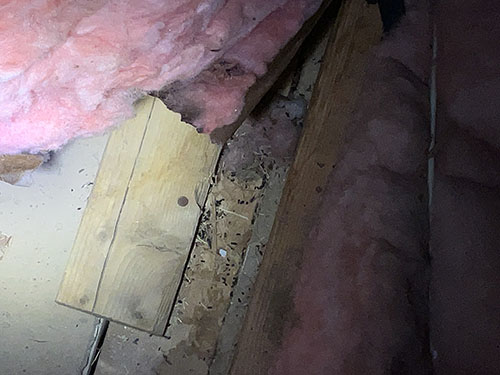

Mice and Hantavirus
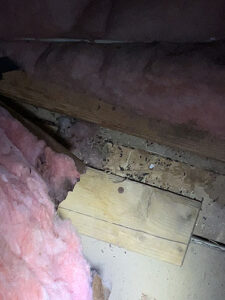 Indoor Air Quality: Sometimes, mold isn't the issue; look into pests like mice and bats. Bat guano and haunta virus
Indoor air quality can be significantly impacted by pests like mice and bats, particularly through their droppings, which pose health risks beyond mold. Here's a focused look at the issue, emphasizing bat guano and hantavirus risks, with practical advice:
Mouse droppings, urine, and saliva can carry hantavirus, which causes hantavirus pulmonary syndrome (HPS), a rare but severe respiratory illness with a 30-50% mortality rate. Deer mice are the primary carriers in North America. Inhalation of aerosolized particles from droppings or contaminated materials is the main transmission route. Symptoms start 1-8 weeks after exposure, beginning with flu-like signs (fever, fatigue, muscle aches) and progressing to severe breathing difficulties.
Prevention: Seal holes as small as 1/4 inch with steel wool or cement, store food in rodent-proof containers, use tight lids on garbage, and reduce nesting materials. Avoid sweeping or vacuuming droppings to prevent aerosolization; instead, wet droppings with a 1:10 bleach solution or disinfectant, let sit for 5 minutes, and clean with disposable materials. Wear gloves, masks, and protective eyewear.
Bats and Guano:
Bat guano (droppings) can harbor hantavirus, though rodent-borne strains are more commonly linked to human illness. Evidence suggests bats, including frugivorous and vampire species in Brazil, can carry hantaviruses, with a 17% seroprevalence in some studies. Guano may also contain pathogens like Histoplasma capsulatum (causing histoplasmosis, a fungal lung infection) and Leptospira bacteria (leptospirosis, via contaminated water). Inhalation of disturbed guano particles is a key risk.
Identification: Bat guano is small, crumbly, and often contains shiny insect fragments, piling up under roosts (e.g., attics, eaves). Mouse droppings are larger, cylindrical, with pointed ends, and scattered near food or nesting sites. Prevention and Cleanup: Avoid direct contact with guano. Wet contaminated areas with disinfectant before cleaning to minimize airborne particles. Use protective gear (gloves, masks, eyewear). For large infestations, hire professionals like Critter Stop for safe removal and exclusion. Regularly inspect attics, basements, and secluded areas for signs of bats or droppings.
General Tips for Pest-Related Air Quality:
Ventilation: Ensure proper ventilation in attics and basements to reduce moisture and pathogen buildup.
Pest Control: Use snap traps, live traps, or bait stations for mice, placed along travel paths. For bats, install exclusion devices (e.g., one-way valves) to allow them to leave without re-entering, as bats are often protected species.
Monitoring: Listen for nocturnal scratching or fluttering sounds. Check for nests (mice use shredded materials; bats roost in high, dark areas).
Professional Help: If unsure about droppings or infestation extent, consult wildlife control experts for accurate identification and mitigation.